Yoga for PCOS and PCOD: Supporting Your Wellness Journey
How yoga can fit into a sustainable lifestyle alongside PCOS care.
Share on WhatsApp ↗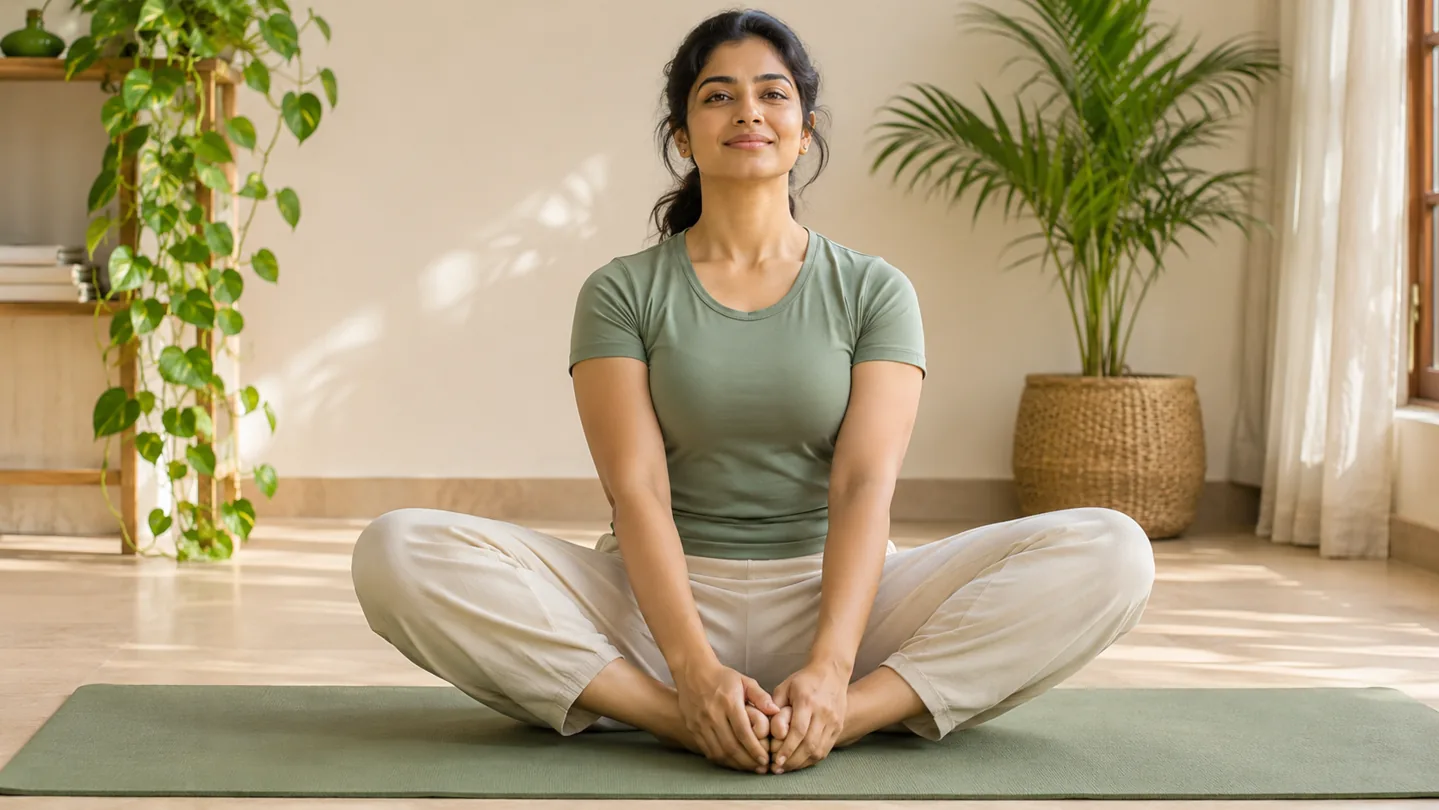
A supportive approach to PCOS
Living with polycystic ovary syndrome can involve irregular periods, acne, unwanted hair growth, fertility concerns or worries about metabolic health. Not everyone experiences the same symptoms, and managing them can be emotionally demanding. Yoga can be one way to create a supportive movement routine, but it should not become another obligation to achieve a particular body shape or menstrual pattern.
What PCOS means
PCOS is a hormonal and metabolic condition. Diagnosis requires clinical assessment; an ultrasound finding alone does not establish the condition. PCOD is a term commonly used in India for related discussions, often referring to PCOS. A clinician can explain the diagnosis and whether screening for blood glucose, cholesterol or other health concerns is appropriate.
Where yoga fits in the evidence
The international PCOS guideline emphasizes sustainable physical activity and healthy lifestyle habits for people with PCOS, including benefits independent of weight loss. Yoga may support general well-being, mobility and stress management. Small studies of yoga in PCOS have reported potentially beneficial findings, but they do not establish that particular postures restore ovulation, normalize hormones or improve fertility. No single exercise type is established as best for everyone with PCOS.
Understand PCOS
Where yoga fits
Build a balanced week
Work with your healthcare team
A gentle starting session
Begin seated in a chair or on a cushion and breathe comfortably for two minutes. Explore shoulder rolls and ankle movements for three minutes. Try supported standing and sit-to-stand movements for five minutes. Finish with a comfortable seated or lying rest. A butterfly position is optional if the hips and knees tolerate it; support the thighs with cushions and avoid pressing the knees down.
If you are receiving fertility treatment, ask your clinic about activity restrictions, especially during ovarian stimulation. Avoid unfamiliar vigorous movement until you know what is appropriate for your circumstances.
Build a balanced week
Combine enjoyable yoga with walking or another aerobic activity and appropriate strength training. Start from your current ability rather than a target imposed by someone else. A short walk after work and two guided yoga sessions may be more sustainable than a demanding daily routine. Gradually increase activity as tolerated. Regular meals, adequate sleep and access to appropriate healthcare also matter.
Work alongside your healthcare team
Ask your clinician how to manage irregular periods and whether metabolic screening or fertility evaluation is needed. Do not stop prescribed medication because you have started yoga. Persistent pelvic pain, unusually heavy bleeding or prolonged absence of periods deserves medical assessment. The role of a yoga instructor is to support appropriate movement, not to diagnose or treat PCOS.
Frequently asked questions
Can yoga cure PCOS?
No. It can complement lifestyle and clinical care but is not a cure.
Is weight loss necessary for everyone with PCOS?
No. Health goals should be individualized, and healthy lifestyle habits can be beneficial without weight loss.