What Is Hatha Yoga? A Complete Guide for Beginners
Learn how posture, breathing and rest fit together in a beginner Hatha practice.
Share on WhatsApp ↗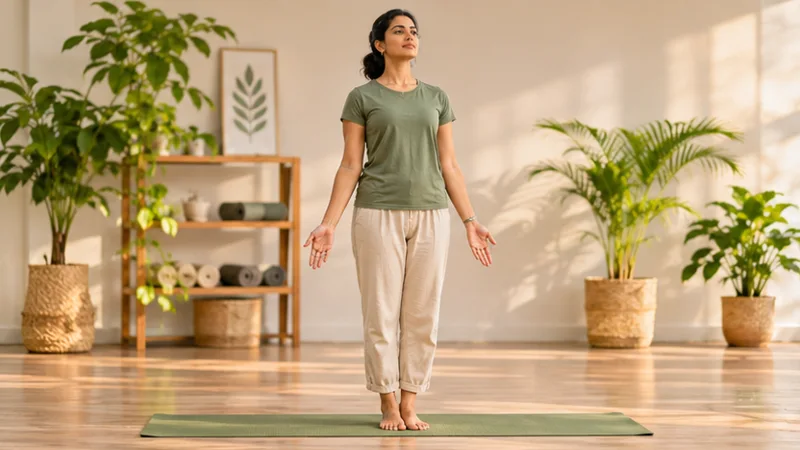
Yoga begins with awareness, not flexibility
If you have ever watched a yoga class and wondered whether you could keep up, Hatha Yoga is a useful place to begin. The word Hatha refers to a tradition of yoga that includes physical practices and regulation of the breath. In modern studios it often describes a class where postures are explored at a relatively steady pace, although the label does not guarantee that a class will be gentle. The teacher, sequence and individual modifications matter more than the name on the timetable.
A beginner does not need to learn Sanskrit vocabulary or touch the floor before attending. The first skill is noticing what happens when you move: where you bear weight, whether your breathing remains comfortable and whether you can distinguish muscular effort from pain. These observations help you make better choices as the practice develops.
What happens in a class?
A typical session may begin with quiet sitting, followed by gentle joint movements, standing or seated postures and a period of rest. Some teachers introduce simple pranayama. Rather than trying to copy every movement, listen for options. A chair, wall or folded blanket can make a posture accessible without making it less meaningful.
In Tadasana, or mountain pose, stand with feet comfortably apart and distribute your weight evenly. Let the shoulders settle and breathe normally. In a supported chair pose, bend the knees slightly as if beginning to sit, using a chair or wall for stability. Return to standing before the legs become exhausted. These simple movements teach balance and control.
A first practice at home
Begin with two minutes of comfortable breathing while seated. Spend three minutes moving your shoulders, ankles and wrists gently. Explore mountain pose and a few supported sit-to-stands for five minutes. Finish with a comfortable seated or lying rest. Repeat on another day rather than immediately increasing the difficulty.
If a movement causes sharp pain, dizziness or unusual breathlessness, stop. People with injuries, pregnancy or medical conditions may need individualized adaptations. A teacher should welcome questions and never insist that pain is necessary for progress.
What progress looks like
After several weeks, you may notice that you understand instructions more easily, feel steadier during standing movements or remember to breathe rather than brace. These are useful signs even if your range of motion has barely changed. Yoga can support balance, mobility and well-being, but it is not a substitute for all forms of exercise or medical treatment.
Choosing your first class
Ask whether the class welcomes complete beginners, whether alternatives are demonstrated and whether you can rest whenever needed. A good fit is a class you can return to consistently without feeling pressured to perform. Start with a manageable schedule and allow recovery between unfamiliar sessions.
Frequently asked questions
Do I need to be flexible?
No. Choose a comfortable range and use support where needed; flexibility is not an entry requirement.